A fence hardly ever fails since the hardware was "poor." Regularly, it stops working because the blog posts were established superficial, the holes were inconsistent, the positioning was off by a little too much, or the installer treated the ground conditions like they were just the same. If you have ever before watched a new fence lean a little after the first season, you currently understand how rapidly that "tiny" issue turns into an expensive redo.
When individuals search for the most effective fencing installer or the best fencing company, they are typically searching for the ideal mix of craftsmanship and field judgment. Post deepness and positioning are where that judgment shows up, long before the fence is completed. This post goes through what excellent fence builders perform in real backyards, why those information matter, and exactly how you can inform whether a team is in fact thinking about soil, wind lots, and straight-line geometry.
Why post deepness is the real foundation
Posts do more than hold up boards or panels. They move push into the ground, and they withstand activity during wind, thermal expansion and tightening, and occasional effects like a falling branch, a lawn mower bump, or a snow lots that lands at an angle.
A shallow set benefits a short duration if the soil corresponds and the fencing run is protected. However the majority of backyards are not constant. Even within the very same residential or commercial property line, you could see sand over clay, compressed dirt near driveways, and looser topsoil around landscaping. If the installer thinks "one depth fits all," the fencing can look penalty on the first day and begin changing after the first freeze-thaw cycle or after a couple of solid wind events.
Here is the component homeowners often miss out on: the deepness that matters is not just exactly how much the hole goes down. It is the problem of the hole near the bottom and the security of the soil around the blog post. A deeper opening in loose or disrupted dirt can still be weaker than a somewhat shallower hole established right into firm, undisturbed ground.
Good installers treat digging as data collection. They take a look at the dirt as they clean the sides, they inspect how the bottom really feels after removing loose product, and they readjust their technique when the ground adjustments. That is what divides the very best fence contractor from the most inexpensive quote that arrives with a common playbook.
Alignment is not optional, it is structural
A fence that is "mostly straight" normally behaves "primarily fine" up until the wind finds the weak point. Positioning errors can enhance the lots on articles and equipment. When the fencing line kinks or bows outside, wind stress produces torque that tries to turn articles and draw them out of plumb.
You can additionally end up going after issues during setup. Panels might not seat appropriately, rails can rack, and gate hardware begins binding. The installer may compensate by forcing elements into location, which creates anxiety that later shows up as drooping, unequal gaps, or bolt failure.
In useful terms, positioning has to do with two points running together:
Post plumb (upright alignment). Line and sight (the fencing run following a straight recommendation).The best fencing installers do not just "set messages." They develop a recommendation line, verify it continuously, and readjust as they go. In yards with slopes, they additionally manage height shifts thoughtfully, so the leading rail or picket line doesn't visually fight the incline while the posts remain appropriately set.
The ground problems that change the rules
Soil is the most significant variable in secure fencing. Also if you work with the most effective fencing builder for the job, the staff still needs to adjust to what gets on website. Here are some ground situations that typically need various judgment.
Freeze-thaw areas and frost heave
If your area experiences freeze-thaw cycles, the ground broadens and contracts. If messages sit as well superficial, frost can raise https://techlivo.com/best-timber-paling-fencing-company-in-melbourne/ them, and afterwards they resolve erratically. A fencing can lean discreetly at first and afterwards get worse across seasons.
An installer who recognizes this will certainly not just consider deepness, they likewise think about the hole shape, how they backfill, and just how they prevent leaving voids that catch moisture. Dampness and spaces are the type of combo that enhances movement.
Soft topsoil and disrupted areas
New construction great deals usually have topsoil that looks typical yet is soft below. Landscape design job likewise disrupts the dirt. If articles are established right into that disturbed layer, the fence can change when the soil consolidates or when it gets wet.
The correct reaction is not "dig less since it's difficult." It is "dig until you are into stable bearing material." Occasionally that is a number of inches deeper than expected, often it is much more. In any case, the staff has to make that get in touch with site, out a printed estimate.
Clay, sand, and water drainage differences
Clay holds water, sand drains pipes rapidly. Both can cause issues if the backfill and post spacing do not match the soil actions. Clay can expand and heave. Sand can plunge, especially if the hole walls collapse or if the backfill is put as well loosely.
Good installers take notice of exactly how the opening wall surfaces stand after excavating. If the sides keep sloughing, they either transform the hole strategy or customize backfilling techniques to minimize voids and inconsistent compaction. That is why seasoned staffs take care with their tools and their sequencing.
What "appropriate deepness" really suggests in the field
People request a single number, yet the straightforward solution is that proper depth depends on fencing elevation, wind exposure, soil security, and local frost considerations. Also within an area, the "best" deepness can vary.
Still, there are practical arrays that many knowledgeable installers function within. The appropriate deepness for a reduced operate on steady soil is not the same as a high personal privacy surround open wind or a backyard with frost heave risk.
What I like to seek when assessing the best fencing companies is whether they chat through the variables rather than duplicating a repaired depth. A legitimate quote clarifies why their method fits your site.
As a basic instance of the sort of logic experts use, shorter surround secure, well-draining soil might make use of a shallower range, while taller fence harsher conditions ask for deeper setup and more powerful embed approaches. In frost-prone areas, depth usually increases to minimize lift throughout freeze events.
Below is a homeowner-friendly method to think about depth without pretending there is one universal "appropriate" measurement.
A fast deepness frame of mind (not a warranty)
List products are maintained brief since the information issue, however the concept is basic:
- Fence height and how "open" the fence is to wind exposure Soil security at the end of the hole, not simply the preliminary digging depth Frost danger and neighborhood freeze-thaw behavior Backfill approach and whether gaps can form Post product and whether the post is rated for architectural loads
A specialist team, whether you call them the most effective fence company, best fencing contractor, or best fencing installer, will align the depth and embed strategy with these factors.
How installers set messages for strength and longevity
Setting an article is the minute where workmanship becomes quantifiable. Even if a staff has quality products, bad opening preparation or careless setup can undermine every little thing that follows.
The opening becomes part of the structure
A good opening is tidy, regular, and sized to support the blog post. If the hole is also large, it comes to be tougher to pack backfill tightly and constantly. If the opening is as well tight, you can end up disrupting the article placement or failing to attain steady contact around the embed.
Depth matters, yet so does the form. A common field blunder is to dig an opening, drop the blog post in promptly, and backfill without thinking about compaction. That can leave pockets of loosened material. Those pockets are where movement starts.
Backfilling, compaction, and wetness control
Backfill options are part of the work, and they depend on the system the installer uses and the soil type. Some staffs favor an approach that condenses in lifts, others make use of approaches that stay clear of excessive settling. Whatever the method is, the secret is uniformity around the full embed.
If backfill is disposed and left loose, the blog post can work out unevenly. If compaction is hostile without accounting for dirt behavior, you can develop a various sort of settlement later. The very best fencing builders balance these elements as opposed to forcing a one-size approach.
Plumb throughout collection, not after
A typical failing is assuming you can correct alignment later. You can remedy a little, yet if the message is not plumb when the installed begins, you may lock in a lean. After that the remainder of the fence needs to "work around it," which increases tension on rails and brackets.
Good staffs set messages to plumb first, then confirm with a degree and a straight reference, and they hold the post steady until the installed material or backfill has stabilized sufficient to prevent drift.
Setting edges and terminal posts differently
Corners and finish posts take even more lots than line posts. They need to be supported appropriately and set with more care. A fencing that begins with weak corners usually falls short later on also if line posts look perfect.
If you are working with amongst the best fencing installers, ask exactly how they treat corner posts, gateway messages, and changes. The solutions should sound like design, not like guesswork.
Alignment in method: keeping the fencing line true
If you have actually ever before seen a fence that "looks straight" from one angle but plainly twists when you walk along it, you have seen placement issues that begin early. A fencing line can wander as a result of little measurement mistakes and collective placement gaps.
The best fencing contractors handle alignment by using a trusted recommendation. They commonly establish risks and strings to establish the line, then measure from that reference instead of eyeballing. They additionally make up property line markers and offsets, and they verify at numerous factors as they progress.
An expert crew likewise recognizes that the fence line and the blog post plumb lines need to agree. If you go after degree for aesthetic appeals just, you can end up with posts that are not properly upright. If you focus on plumb only, you can get a fencing that steps awkwardly on a slope.
Alignment checks the pros typically do
Here is what great installers expect throughout format and setup:
- Fence line referral using risks and string or equivalent Post plumb verification before backfill or embed is finalized Consistent spacing and rail alignment across nearby posts Height and slope transitions planned to avoid "hillsides and valleys" in the leading line Gate openings set as a steady, final referral for swing and latch hardware
That last factor issues. Gateway articles are frequently one of the most demanding due to the fact that joints require accurate geometry. If eviction opening is wrong, whatever around it ends up being harder to remedy later.
Slope, height distinctions, and the impression of "straight"
Sloped backyards make the job much more complex. When ground goes down or climbs, the installer has choices about exactly how to take care of rail height, panel height, and the aesthetic leading line.
One mistake is to require everything into a single airplane degree throughout articles without adjusting the article midsts appropriately. You can wind up with messages that are effectively set, but the top rails look irregular. One more mistake is to maintain rails aesthetically constant and ignore how that decision affects post placement and spacing.
The best fence installers prepare slope taking care of early. They make a decision whether to step fencing heights, use raked rails suitably, or keep a regular top line while changing message height. The ideal choice depends upon the fencing style, the material, and exactly how the lawn is used.
If you have actually ever before attempted to line up a privacy fence on a slope with boards that do not want to bend, you recognize why skilled installers require time on format. It is not "decreasing." It is avoiding rework.
Wind direct exposure and why spacing matters
Wind lots impacts just how much force the fencing puts on blog posts. A fence that is strong and high catches much more wind. A fence with pickets has gaps and normally experiences different wind forces. Yet regardless, the physics is similar: the messages need to resist lateral movement.
This is why post spacing, rail strength, and post embed collaborate. A crew that establishes deep posts but utilizes inadequate spacing can still see movement since the fencing has way too much span between assistances. A crew that utilizes solid rails and limited spacing but establishes superficial articles can likewise stop working because the articles are the weak link.
Professionals in the very best fencing companies treat the fencing system all at once. They do not simply set messages and wish the rest holds.
Concrete vs. Backfill: what issues is performance
Homeowners usually think there is one right method, like "always use concrete." In genuine lawns, installers select between concrete, cementitious backfill, or soil-based backfilling methods depending upon soil kind, local technique, and the fencing system.
Concrete can supply strong first fixation, particularly when mixed and mounted appropriately. But the disadvantage, in some arrangements, is that it can create a path for moisture and contribute to frost concerns if the post embed style does not make up freeze-thaw behavior.
Backfill methods that allow drain may lower some moisture-related issues, yet they depend greatly on stable dirt contact and appropriate compaction.
The secret is that the installer's approach must match the site problems. The best fencing company discussions seem like site evaluation, not like an advertising and marketing claim.
How to evaluate a quote from a best fencing installer
If you are contrasting suppliers and you intend to recognize the very best fence company for your job, focus on just how they answer questions about deepness and alignment.
A legitimate installer will certainly talk specifics:
- how they figure out where to dig, how they verify plumb, how they manage edges and gateways, and exactly how they take care of incline and alignment recommendation lines.
A much less qualified installer might talk mainly concerning rate per foot, product availability, and timeline, while remaining obscure about what happens under the ground. You can definitely have a great end result with a budget-focused specialist, but the risk increases when the installer avoids discussing the embed and the geometry.
Here is a functional way to ask without sounding adversarial: ask what they do when they hit soft soil, what they carry out in frost-prone areas, and how they guarantee the line is right after backfill.
If they shrug or offer blanket solutions, you have your signal. If they explain compromises, you are most likely taking care of a team that has mounted sufficient fencings to identify real-world conditions.
Real-world circumstances where inadequate depth shows up fast
You do not have to wait years to see problems. Some failure modes show up promptly, specifically in wet seasons or after difficult wind.
One usual scenario I have actually seen repetitively: an installer sets articles in ordinary topsoil, makes use of regular depths theoretically, and proceed. The fence looks efficient conclusion. After that a hefty rain fills the dirt, and the messages settle a little. The negotiation is small, yet it suffices to loosen rails and develop gaps. The fence starts to "rack" as wind loads hit it. Bolts function loose. After that the fencing ends up leaning, not because it was originally set incorrect, however because the system shed its geometry over time.
Another scenario is shallow setup in freeze-thaw areas. The fencing may lift a fraction in winter season, after that settle erratically in springtime. By late season, the fencing can have a gentle wave. People observe the wave initially, and afterwards, later, the posts appear like they are "walking." The fence was never ever inflexible to begin with, and the embed did not withstand movement.
These examples are not exaggerations. They are the sort of failing reasoning that experienced home builders expect and prevent.
Maintenance and the "do not disregard it" factor
Even the most effective fencing installers can not quit every aspect. If you stay in a location with heavy storms, dropping branches, or regular cars bumping fencing lines, you will ultimately require maintenance.
The difference is whether maintenance is periodic or constant. A well-installed fence tends to need tightening up of hardware or periodic repair work. An inadequately set up fencing ends up being a repeating task where you deal with one area just for the next area to shift.
If you are evaluating fencing firms, ask what upkeep problems are most typical for their installments. A team that believes in their job can explain the realistic lasting demands. A team that stays clear of the subject commonly indicates uncertainty.
Choosing the best installer for your backyard, not simply your fencing style
Many individuals decide based upon fencing material initially, plastic, wood, aluminum, or chain web link. Product issues, but workmanship at the blog post installed and alignment stage matters more than most home owners realize.
When you look for best fencing builders or best fence installers, you are really searching for a way of working:
- layout technique, consistent message embed high quality, careful plumb and alignment confirmation, and the capability to get used to soil and slope.
A great-looking fencing is constructed below grade and measured along the line. If a service provider can discuss those information clearly, you are currently ahead.
If you desire a basic rule of thumb, it is this: ask how they will keep the fence straight and secure through wind and dirt motion, not simply exactly how they will certainly mount the boards or panels.
That is where the very best fencing contractor gains their reputation.
What you can do prior to the staff arrives
You do not require to end up being an installer to shield your task. However you can lower risk by preparing the site and clearing up boundaries.
Clear gain access to aids the staff dig accurately and set posts without hurrying. Mark underground utilities if required by your area. Know where gateways will be, and prepare for exactly how the fencing will fulfill walls, driveways, or other structures.
If you have sprinkler heads near the line or drain that stumbles upon the proposed fencing, inform the installer. These information can influence blog post openings and exactly how water walks around embeds, which loopholes back to activity and longevity.
The best fencing companies invite this kind of coordination because it helps them set up appropriately on the first pass.
Final assumed on "best"
"Finest" is not a slogan. It is what you obtain when the staff considers the difficult components and executes them with treatment. Appropriate blog post deepness is about withstanding dirt motion and loading pressures. Placement has to do with managing geometry so the fence acts predictably in wind and time.
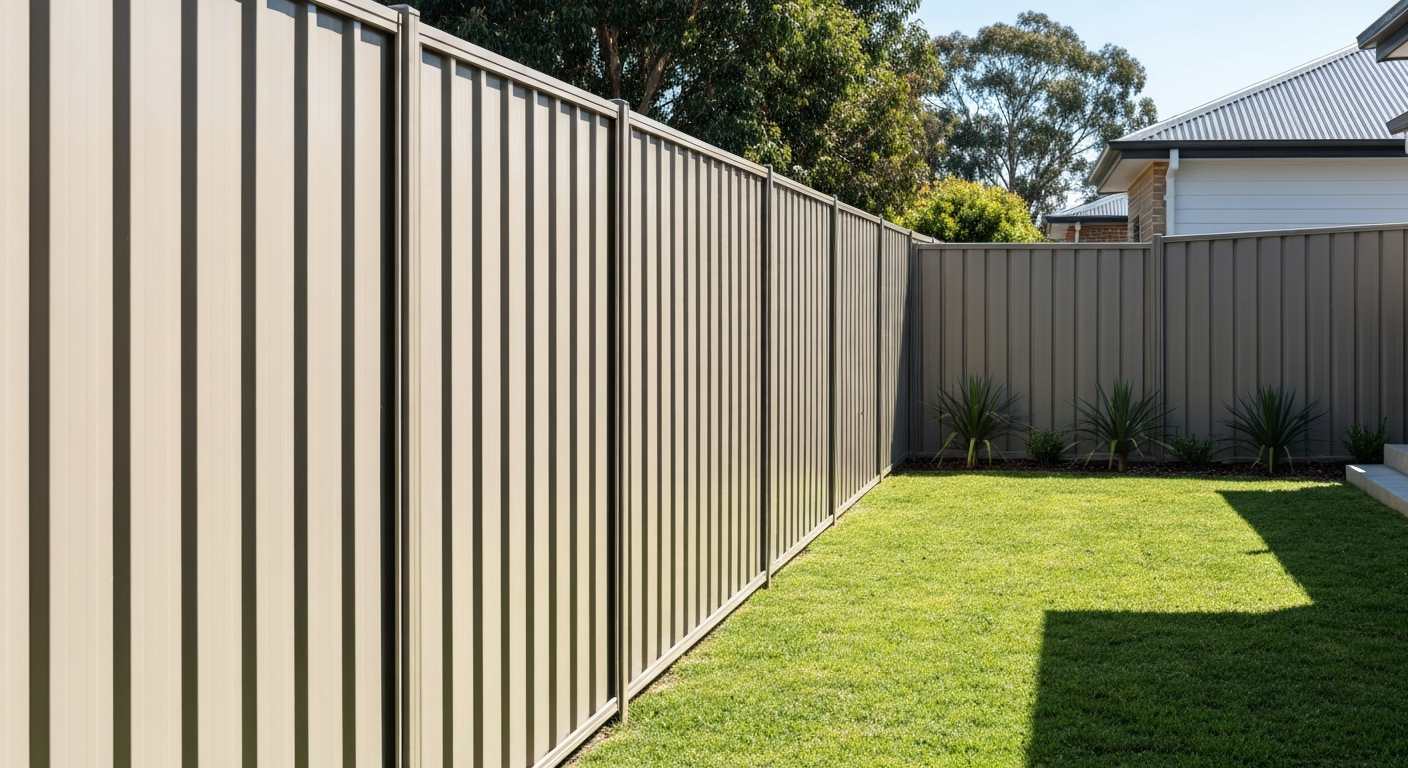
When you employ among the very best fencing installers, you are spending for expertise that stays in the format string line, the plumb check, the choices made in soft soil, and the uniformity of the embed. The fence you see is only the last chapter. The work that matters takes place earlier, when the ground is open and the line is being set.